Pipe Labels, Pipe Marker Stickers, Pipe Flow Direction Labels
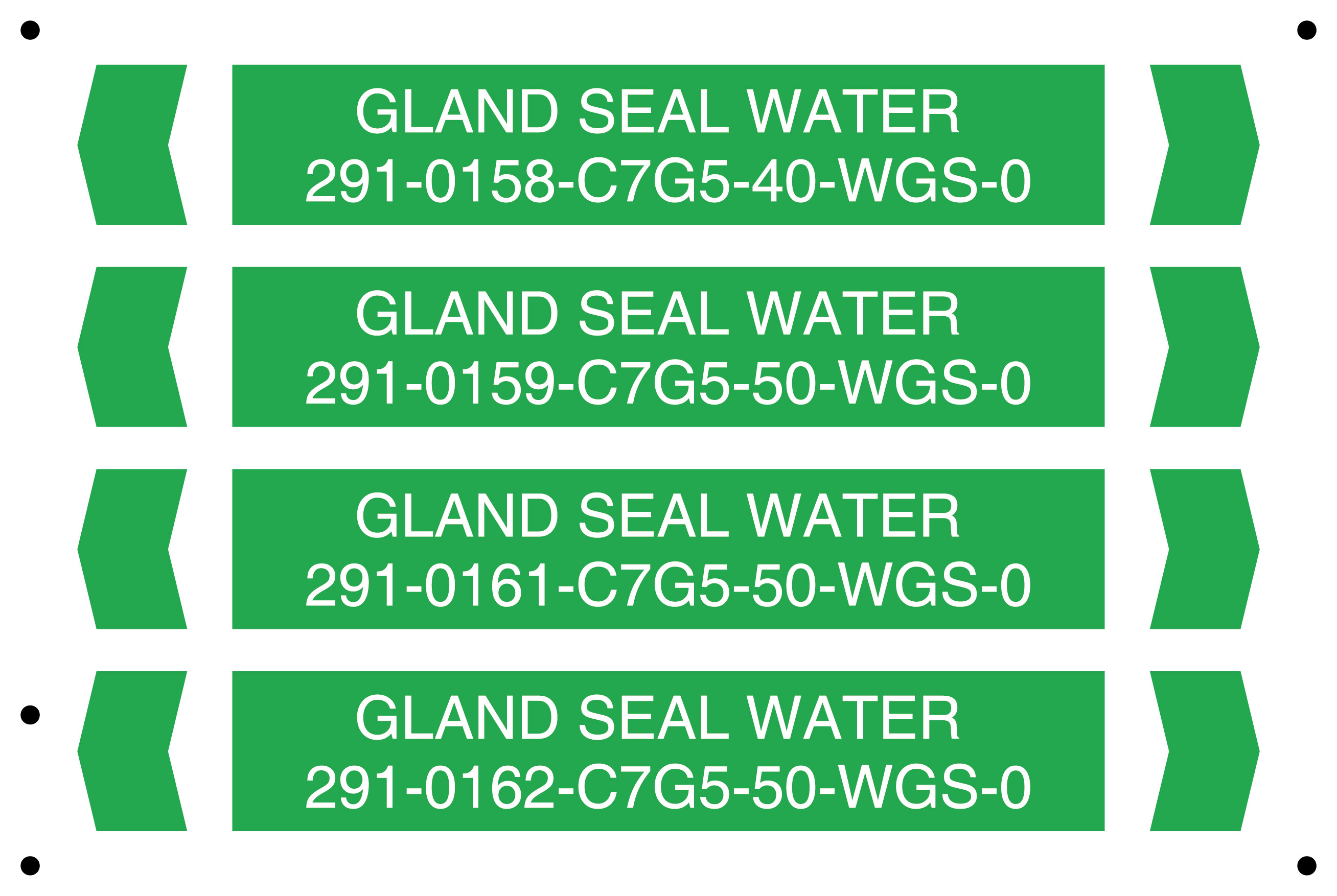
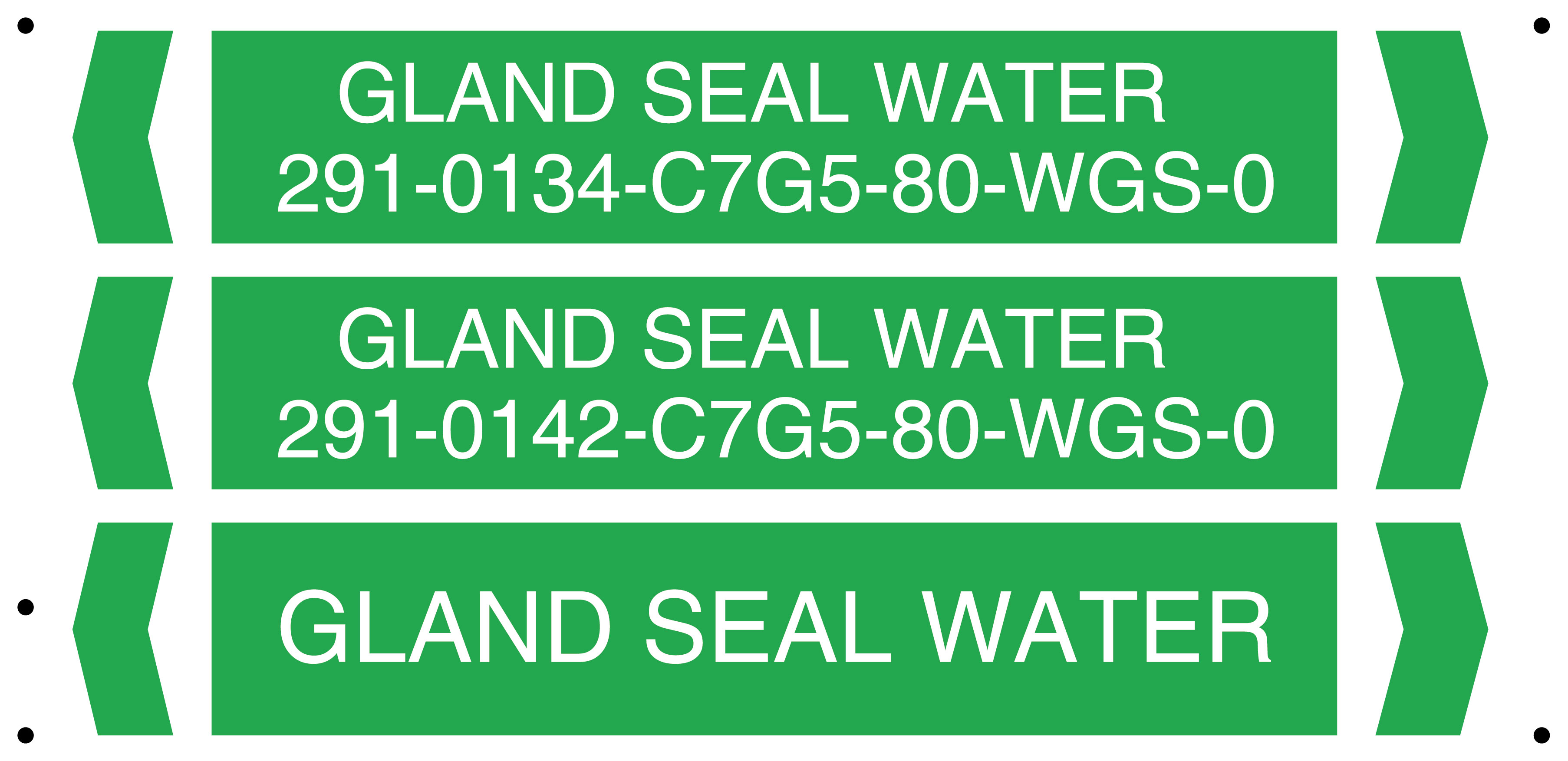
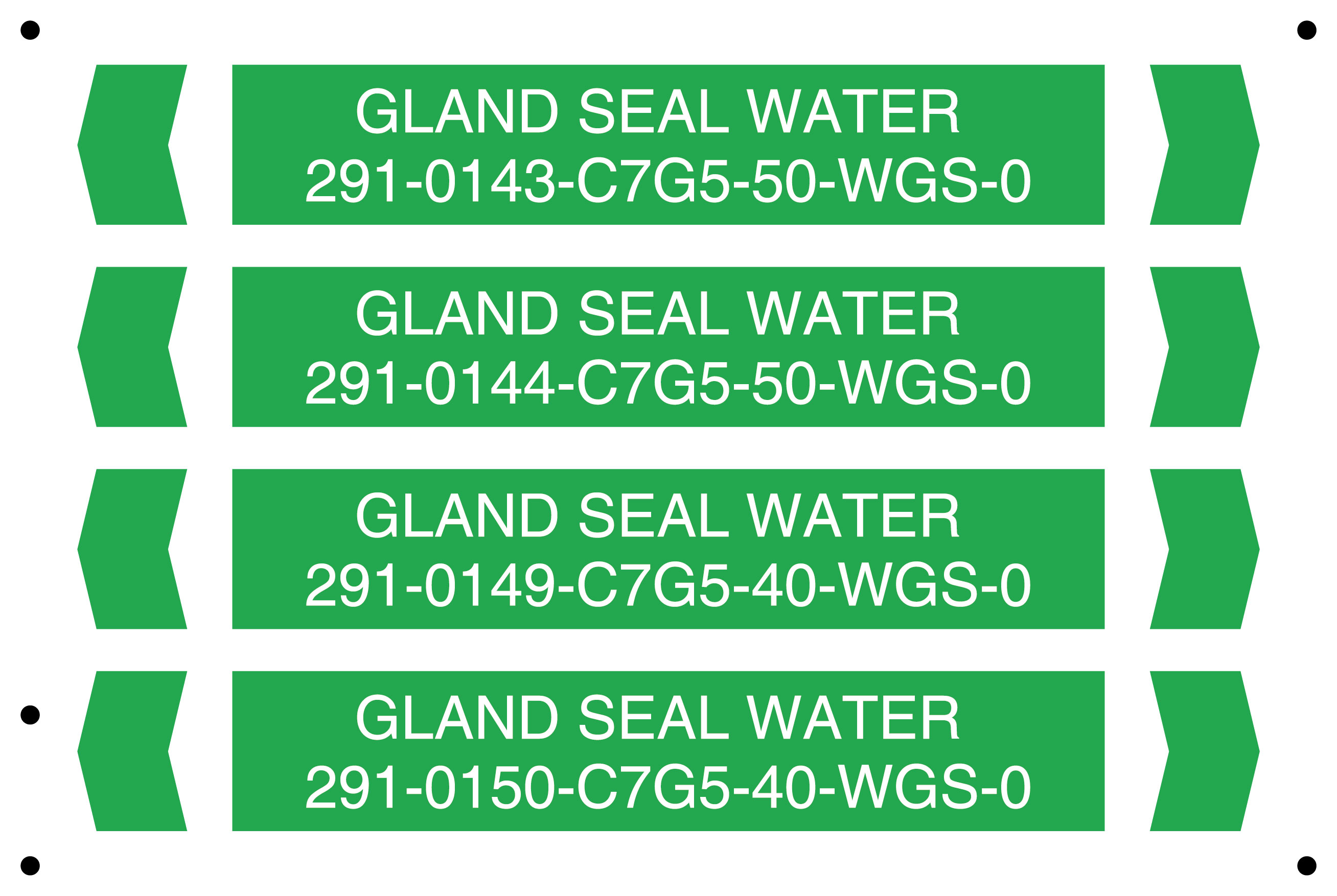
Industrial pipe labels by LeXiang Packaging, built with 3M outdoor-grade label stock for mines, aggregate plants, chemical plants, and outdoor sites. Strong adhesion bonds to metal, PVC, stainless steel, and powder-coated pipes. UV- and weather-resistant ink keeps colors vivid through sun, rain, and harsh conditions. Waterproof, abrasion- and contamination-resistant for long-term clarity in dust. Customizable with media name, flow arrow, numbering, QR code, and company logo.
📸 📸 Product Images
FAQ
Are these pipe labels suitable for long-term outdoor use?
Yes. Made from 3M outdoor-grade label stock with UV- and weather-resistant ink, they withstand prolonged sun exposure, rain, and temperature swings, offering excellent outdoor weather resistance.
Will they fall off in mines or aggregate-handling environments?
No. The 3M industrial-grade adhesive delivers strong initial tack and long-lasting bonding. As long as the application surface is clean and dry, the labels stay firmly attached and remain stable even in high-dust and high-vibration environments.
Are the labels waterproof?
Yes. Both the label material and the ink offer excellent waterproof performance, withstanding prolonged rain, humidity, and routine cleaning without affecting normal use.
Can different colors and arrow directions be customized?
Yes. Customization of media name, flow-direction arrow, color coding, equipment number, QR code, barcode, and company LOGO is supported, and production can follow corporate standards or industry specifications.
Which industries are these suitable for?
Widely used in mining, aggregate plants, chemical plants, oil & gas, power plants, steel, cement, wastewater treatment, pharmaceutical, food, and various industrial pipe systems.
Do you support small-batch production?
Yes. Sample making, small-batch trials, and mass production are all available, with support for variable data, serial numbers, QR codes, and other smart-identification needs.
📖 📖 More Details
A row of pipes, seen from a distance, all look almost identical.
For someone stepping onto the site for the first time, what really needs to be confirmed is not "are there any labels here," but: what is inside this pipe? Which direction is the media flowing? Is this the line I'm looking for?
What this case study covers is not "how important pipe labels are once applied," but what pipe labels actually need to solve—enabling on-site personnel to identify quickly and clearly in a complex industrial environment.
The biggest difference between pipe labels and ordinary safety signs
A pipe label does more than just tell you "danger here"—it must tell the on-site worker: what kind of pipe this is, what media it carries, where it flows, which line it is, and may also carry numbering, QR codes, or equipment management information when needed.
A pipe label is part of the on-site line-identification system, not just a "sticker."
When a customer asks for "a batch of pipe labels," we first ask 8 questions
The request a customer usually brings is "make us a batch of pipe labels"—but we don't quote right away. We first ask 8 questions.
① Indoor or outdoor application?
② What is the pipe diameter?
③ What is the pipe material?
④ Does the label need to wrap around the pipe?
⑤ What is the typical on-site reading distance?
⑥ Which media need to be distinguished?
⑦ Are flow-direction requirements specified?
⑧ Is numbering or a QR code required?
Only after these 8 questions are answered can we truly determine the label size, material, adhesive, and printing method. Quoting directly off a customer-supplied size may seem easier, but if the label doesn't work once applied, that ends up being far more trouble.
5 core design elements of a pipe label
Media name—so people know what is inside. Compressed air, cooling water, steam, nitrogen, chemical media—each medium carries different hazards and different emergency responses, so the name on the label must be clearly legible.
Flow-direction arrow—this is the core element that distinguishes a pipe label from an ordinary label. It is not enough to write "cooling water"; it must read "cooling water →" so on-site personnel no longer have to judge the direction themselves.
Color coding—varies across companies, industries, standards, and customer-internal specifications. Label colors should match the customer's existing pipe-identification conventions, not be based on absolute conclusions like "black on yellow is always best."
Numbering—for example, CW-001, CW-002, CW-003. At this point, the label is no longer just a "sticker," but part of the on-site line-identification system.
QR code—if the company has already set up an equipment or line information system, a QR code can serve as the on-site information entry point, linking the label to equipment numbers, inspection records, and other data.
Pipes are round—the easiest thing to overlook for a flat label
What happens when an ordinary flat label is applied to a round pipe?
The label is not stuck onto a flat surface—once applied, it must bend around the pipe. That brings up a whole chain of issues: label dimensions, arc conformity, edge lifting, application direction, label length, text orientation, and arrow direction.
If a flat label is applied to a round pipe without considering these, the result is lifted edges on both sides, overlap, and visual distortion. The label looks fine on day one, but within two weeks the edges start lifting—this is the classic pitfall when flat labels meet round pipes.
Pipe diameter determines label size—longer is not always better
Small-diameter pipes: a label that is too long → lifted edges, overlap, and visual distortion.
Large-diameter pipes: a label that is too small → insufficient on-site identification distance—an inspector walking past with a flashlight can't read the text.
Real customization requires balancing 5 factors together: pipe diameter + reading distance + information content + label size + application method. It is not "the longer the better," nor "the bigger the clearer"—it is the optimal size that emerges when all 5 factors align.
Why this project required 3M outdoor-grade material
The specific scenario for this case is: pipes installed outdoors, exposed long-term to sunlight, rain, and temperature swings—plain paper labels are clearly not the right choice. For projects like this, the more important step is selecting the right face stock, ink, and adhesive system based on the actual site environment.
This project ultimately adopted 3M outdoor-grade label stock, paired with UV- and weather-resistant ink, to meet the stability requirements of long-term outdoor use.
The final specification for this case
The final specification confirmed for these pipe labels:
Material: 3M outdoor-grade label stock
Ink: UV- and weather-resistant ink
Surface: Waterproof / abrasion-resistant / contamination-resistant
Suitable substrates: Metal, PVC, stainless steel, powder-coated, and other pipe surfaces
Custom content: Media name / flow-direction arrow / numbering / QR code / barcode / company LOGO
MOQ: 50 pieces
Production lead time: 3–7 business days
How should your pipe labels be made?
If you already have: pipe photos / pipe diameter / label size / media name / flow direction / existing label style, you can send them straight to us.
We can first help you judge: whether the size is appropriate, how to select the material, how the label should be applied, and whether a QR code / numbering is needed.
Send us your site photos and let us take a look
You may also be interested in these industrial label cases
If you are working on industrial site identification, equipment labels, or pipe labels, here is another industrial label case we have produced that can be referenced together:
· PVC safety identification sticker—0.38mm rigid PVC + 3M high-strength adhesive, for chemical safety cabinet identification, and how procurement selects materials
Both cases address industrial site identification scenarios—the former focuses on procurement material selection, the latter on on-site identification. Viewed together, they form two different decision points for industrial label applications.
Need a Custom Packaging Solution?
Submit your needs for a professional quote and production advice